
"Central America"
5000 article(s) found
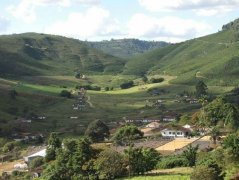
A detailed introduction to the cultivation of Coffee Manors in Central America
Central America knows Central America Coffee Central America is the land bridge connecting North and South America. There are seven countries, namely, Belize, Costa Rica, El Salvador, Guatemala, Honduras, Nicaragua and Panama. Seven Central American countries all produce coffee, with Guatemala, Costa Rica and Honduras among the top 10 coffee exporters in the world. Coffee began to flourish in Central America

A brief talk on the Regional Flavor of Coffee in Central America-- El Salvador, the smallest in Central America
Professional barista exchanges please pay attention to the coffee workshop (Wechat official account cafe_style) El Salvador is the smallest country in Central America, only about 3/5 the size of Taiwan, although the area is small, it has 25 volcanoes large and small, volcanoes can bring a lot of ash and fertile soil, but every day they have to face the threat of active volcanoes, which make local residents both love and fear.
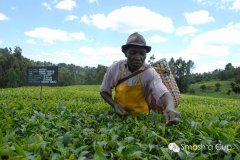
Coffee producing areas in Central America introduce what kind of coffee they have in Central America.
Central American Coffee CENTRAL AMERICA COFFEES Costa Rica Coffee Costa Rica Coffees Guatemala Coffee Guatemala Antigua Coffees Mexican Coffee Mexican Coffees Nicaragua Coffee Nicaragua Coffees Panama Coffee Panama Coffees Honduras Coffee Honduras Coffees Salvador Coffee El Sa
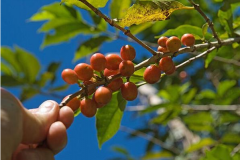
Coffee trip-Central and South America. Quality and characteristics of cultivation environment in various zones
Professional coffee knowledge exchange more coffee bean information please follow the coffee workshop (Wechat official account cafe_style) understanding Central American Coffee-Central America is the land bridge connecting North and South America, there are seven countries, namely, Belize, Costa Rica, El Salvador, Guatemala, Honduras, Nicaragua and Panama. All seven countries in Central America produce coffee, including Guatemala

Talking about the Regional Flavor of Coffee in Central America-- Honduras, where the annual output of coffee is amazing.
Communication of professional baristas Please pay attention to Coffee Workshop (Wechat official account cafe_style) Honduras is currently the sixth largest coffee producer in the world and the first largest coffee producer in Central America. Almost everyone is a coffee farmer, and now we have to owe such a huge output to the strong support of the Hongguo government. About a decade ago, coffee production in Honduras was not high.

Boutique coffee beans: an introduction to the classified taste of the famous coffee beans in Central America
GuatemalaLaJoyaEstate-Antigua Gem Manor Coffee GuatemalaLaJoyaEstate Central American countries: Guatemala producing areas: Antigua flavor: Antigua Gem Manor, Antigua (Antigua) is a volcanic island located in the southwest of Guatemala, three volcanoes are located in which the island is rich in volcanic soil, coupled with low temperature, low humidity and adequate sun environment at night

A detailed introduction of the coffee production areas of Costa Rica on behalf of coffee from Central America.
For the exchange of professional baristas, please follow the Coffee Workshop (official Wechat account cafe_style). There are seven countries in Central America, namely, Belize, Costa Rica, El Salvador, Guatemala, Honduras, Nicaragua and Panama. All seven countries in Central America produce coffee, among which Guatemala, Costa Rica and Honduras are global coffee exporters.

Types of coffee beans in Latin America what are the characteristics of coffee producing areas in Central and South America
Professional Coffee knowledge Exchange more information on coffee beans Please follow the coffee workshop (Wechat official account cafe_style) Central America and Mexico (Northern) 13N-25N Central America (North America) Coffee fields are still dominated by descendants of varieties first bred in the 19th century. The long history of coffee production and the mature coffee planting tradition that can be traced back to several generations are still very obvious here.

Leaf rust sweeps coffee plantations in Central America
According to a recent report released by the International Coffee Organization, the production of coffee crops in Central America has been reduced by about 15% in 2012 and 2013 due to leaf rust. As the overall economic growth in Central America slows, coffee growers in the region will suffer a double whammy of reduced production of coffee crops and a collapse in coffee prices, which will also hit the economies of Central American countries hard. As the coffee crop in Central America is in the international coffee market.
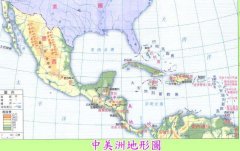
Learn more about the description of Central American boutique coffee on the coffee map.
Central America is a land bridge connecting North and South America. There are seven countries, namely, Belize, Costa Rica, El Salvador, Guatemala, Honduras, Nicaragua and Panama. Seven Central American countries all produce coffee, with Guatemala, Costa Rica and Honduras among the top 10 coffee exporters in the world. Coffee started in Central America in the 18th century, an important economy.
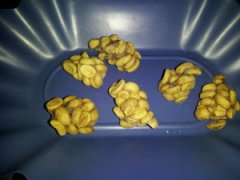
Description of coffee bean flavor introduction to the taste of famous Central American coffee
GuatemalaLaJoyaEstate-Antigua Gem Manor Coffee GuatemalaLaJoyaEstate Central American countries: Guatemala producing areas: Antigua flavor: Antigua Gem Manor, Antigua (Antigua) is a volcanic island located in the southwest of Guatemala, three volcanoes are located in which the island is rich in volcanic soil, coupled with low temperature, low humidity and adequate sun environment at night

El Salvador Coffee, the smallest coffee producer in Central America, introduces Siberi in the Santa Ana volcano region.
It is located in Central America, bordering Guatemala and Honduras in the north, and the Pacific coastline in the west and south. The smallest country in Central America and the most densely populated country in Central America. The land area is 21393 square kilometers, the population is 6.25 million (data 2012), and the population density is 327 people / square kilometers. The economy is dominated by agriculture. In 2011, per capita domestic production

Story of the Origin of Coffee Bean cultivation in Central America and Costa Rica Coffee beans in Milasu Manor in Tara Pearl producing area
Professional coffee knowledge exchange more coffee bean information please follow the coffee workshop (Wechat official account cafe_style) Costa Rica's seven main coffee producing areas are distributed from northwest to southeast along with the inland central plateau. Costa Rican volcanic terrain has fertile volcanic ash, mild and suitable temperature, and stable abundance.
Stories about the flavor characteristics of coffee beans from Africa, Central and South America and Asia
The three major producing areas of Africa: Africa is represented by Ethiopia. The method of treatment is Yega snow caffeine washed in water and berries in the sun. There is also a representative of Kenya, which has the same berry flavor as Ethiopia and has a unique solid wealth. Central and South America: central and South America has a mild flavor. It is also often expressed in the flavor of caramel. Many people from Brazil and Brotherhood

Honey hometown-- Central American Coffee beans Latin American Coffee beans Story American Coffee Flavor
Professional coffee knowledge exchange more coffee bean information please follow Coffee Workshop (Wechat official account cafe_style) Central America, connecting South and North America two major landmasses, east by the Caribbean Sea, west by the Pacific Ocean, and the terrain is narrow, greatly affected by the marine climate. Central America is a mountainous terrain, volcanic activity is active, natural volcanic ash also makes the soil particularly fertile, a variety of environment

Dirkley's "Father of Coffee trees in Central and South America"
In the middle of the 18th century, cafes were opened in major cities in Europe, and the huge demand for coffee led to the popularity of growing coffee in Central America. At present, most of the Tibica coffee trees in Central America are related to the coffee mother tree transplanted by Deckley. In 1777, 19 million coffee trees were planted on Martinique Island alone. Haiti, Puerto Rico and Cuba in the Caribbean followed suit to grow coffee.
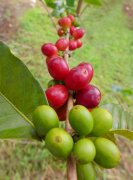
A brief talk on the Regional Flavor of Coffee in Central America-- Panama, which is famous for its rosy summer
For the exchange of professional baristas, please pay attention to the coffee workshop (Wechat official account cafe_style) the Boguit producing area (Boquete) is the oldest and most famous coffee producing area in Panama, located on the eastern side of the Baru volcano, on a plateau about 10002000 meters above sea level. The ecological environment of the Bogut area is intact and the rainfall is abundant. The good planting environment makes the coffee in the Bogut area have a unique aroma.
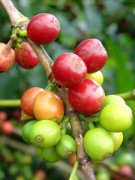
What kind of coffee is there in Central America? fine coffee is introduced in Central American coffee producing areas.
Central American Coffee CENTRAL AMERICA COFFEES Costa Rica Coffee Costa Rica Coffees Guatemala Coffee Guatemala Antigua Coffees Mexican Coffee Mexican Coffees Nicaragua Coffee Nicaragua Coffees Panama Coffee Panama Coffees Honduras Coffee Honduras Coffees Salvador Coffee El Sa
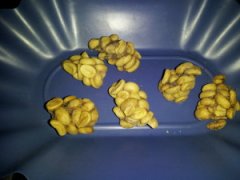
Introduction to the taste of famous Central American coffee
GuatemalaLaJoyaEstate-Antigua Gem Manor Coffee GuatemalaLaJoyaEstate Central American countries: Guatemala producing areas: Antigua flavor: Antigua Gem Manor, Antigua (Antigua) is a volcanic island located in the southwest of Guatemala, three volcanoes are located in which the island is rich in volcanic soil, coupled with low temperature, low humidity and adequate sun environment at night

Dirkley-- the Father of Coffee trees in Central and South America
In the middle of the 18th century, cafes were opened in major cities in Europe, and the huge demand for coffee led to the popularity of growing coffee in Central America. At present, most of the Tibica coffee trees in Central America are related to the coffee mother tree transplanted by Deckley. In 1777, 19 million coffee trees were planted on Martinique Island alone. Haiti, Puerto Rico and Cuba in the Caribbean followed suit to grow coffee.